AI: Where *Not* To Use It (Yet) & How Humans Still Rule
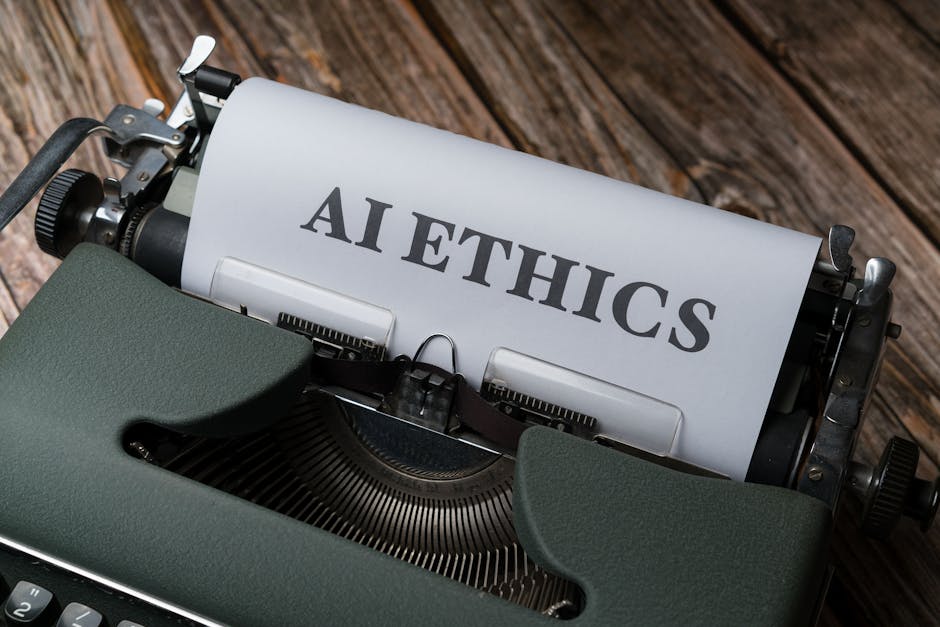
AI: Friend or Foe? Navigating the Nuances
Artificial intelligence (AI) is rapidly reshaping industries, and the buzz is real. However, it's essential to understand that AI is a tool, not a magic bullet. Knowing its limitations is as vital as recognizing its strengths, especially for Dallas-Fort Worth businesses eager to embrace the latest technology.
From web design to app development, AI is making its mark. At InterGlobal, we're integrating AI services to boost efficiency. Despite the excitement, the human touch remains crucial in key areas.
The Enduring Power of Human Expertise
1. The Unpredictability of Creative Genius
AI excels at generating variations on existing themes, a valuable asset for specific tasks. However, true, groundbreaking creativity stems from the unpredictable nature of the human brain. Consider the Deep Ellum art scene. AI might create something "Deep Ellum-esque," but it couldn't replicate the spark of a truly original artist pushing creative boundaries.
AI can identify trends and predict outcomes based on data analysis. It struggles with novel thinking, intuition, and connecting seemingly unrelated ideas. These are the moments when human creativity shines, leading to innovative solutions beyond AI's reach.
2. Navigating Ethical and Moral Complexities
AI operates on algorithms and data sets, lacking inherent ethical or moral understanding. Self-driving cars illustrate this point. In an unavoidable accident, who should the car prioritize protecting: passengers or pedestrians? These complex ethical questions require human judgment, not just programmed responses.
Furthermore, biases embedded in training data can lead to discriminatory outcomes. Ensuring fairness and equity requires human oversight and a commitment to ethical AI development, particularly in areas like hiring and loan applications.
3. Forging Authentic Human Connections
AI-powered chatbots are improving, but they can't replicate human empathy and understanding. Recall a truly exceptional customer service experience. It likely involved a person who listened, understood your needs, and went the extra mile.
In fields like therapy, counseling, and high-value sales, building trust and rapport is essential. AI can assist with scheduling and information gathering, but it can't replace the human connection that drives meaningful relationships.
4. Adapting to Unforeseen Circumstances
AI is trained on specific datasets and can struggle with situations that deviate significantly from its training. Consider a novel cyberattack exploiting an unknown vulnerability. A human security expert might identify the threat and develop a countermeasure faster than an AI system relying on pre-programmed responses.
This adaptability is crucial in dynamic environments. Human intelligence allows us to analyze situations, learn from new experiences, and adjust our strategies – a capability AI is still developing.
The Strategic Advantage: Humans in the Loop
Unlocking AI's potential involves augmenting human capabilities, not replacing them. The "human-in-the-loop" approach uses AI for repetitive tasks, data analysis, and insight generation, while humans retain control over decision-making, ethics, and creative direction.
1. Automate the Routine, Elevate the Human Role
Automate repetitive tasks like data entry, scheduling, and basic customer service with AI. This frees employees to focus on higher-value activities requiring creativity, critical thinking, and emotional intelligence. For example, in Plano, AI could handle initial campaign data analysis, while human marketers craft compelling narratives and build customer relationships.
2. Human Strategy Fueled by AI Insights
AI can analyze vast datasets to identify trends, predict behavior, and optimize campaigns. However, interpreting these insights and developing effective strategies requires human expertise. AI provides the data, but humans provide the context and strategic direction. At InterGlobal, AI informs our branding strategies, but the ultimate creative vision comes from our team.
3. Enhancing Creativity, Not Eliminating It
AI is a powerful tool for brainstorming and generating ideas. Use AI to explore design options, experiment with marketing messages, or create initial content drafts. However, human creatives should always refine and perfect the final product. AI provides the raw materials, and humans provide the artistry.
The most exciting breakthroughs of the 21st century will occur not because of technology alone, but because of an increasingly sophisticated understanding of what it means to be human.- John Naisbitt
4. Continuous Learning and Adaptation
The AI landscape is constantly evolving. Businesses must invest in continuous learning and adaptation to stay ahead. This includes training employees on AI tools, monitoring AI performance, adapting AI strategies, and staying informed about the latest developments. We’re seeing significant interest in this across Fort Worth and North Texas.
A Hybrid Future: The Power of Human-AI Collaboration
The future isn't about AI replacing humans. It's about humans and AI working together to achieve more. By understanding AI's limitations and embracing the human-in-the-loop approach, businesses can unlock AI's potential and create a more efficient, innovative, and human-centered future. Think strategic efficiency, not wholesale replacement.
AI tools are constantly updating. Think of AI as a junior team member: capable of handling much of the legwork but still requiring senior oversight.
Key Takeaways
- AI is a powerful tool, not a replacement for human intelligence.
- Humans excel at creativity, ethical judgment, building connections, and adapting to novel situations.
- The "human-in-the-loop" approach unlocks AI's true potential.
- Use AI to automate tasks, generate insights, and enhance creativity, but retain human oversight.
- Invest in continuous learning and adaptation.
Want to discuss your AI strategy? Reach out - we're happy to chat.
Frequently Asked Questions
What are some specific examples of where AI should not be used in web design?
How can I ensure that AI is used ethically in my business?
What skills should my employees develop to thrive in an AI-driven workplace?
How can I measure the ROI of AI investments?
Is AI going to take my job?
What's the biggest risk of relying too much on AI?
How do I get started with AI in my small business?
What are the ethical considerations when using AI for marketing in Dallas?
InterGlobal Team
We help startups and growing businesses build beautiful, high-performing digital products. Based in Dallas, serving clients nationwide.
Get in touch →