One Smart Move: How to Choose the Next Improvement Your Business Actually Needs
One smart move starts with one real bottleneck. A small idea becomes useful when it solves a real problem. The challenge is choosing where to begin.
When a business has several things that could be better, it is tempting to start a large redesign, add another tool, or commission a long list of changes. Before committing to that list, look for one point of friction you can explain clearly. What is making an ordinary task harder than it needs to be?
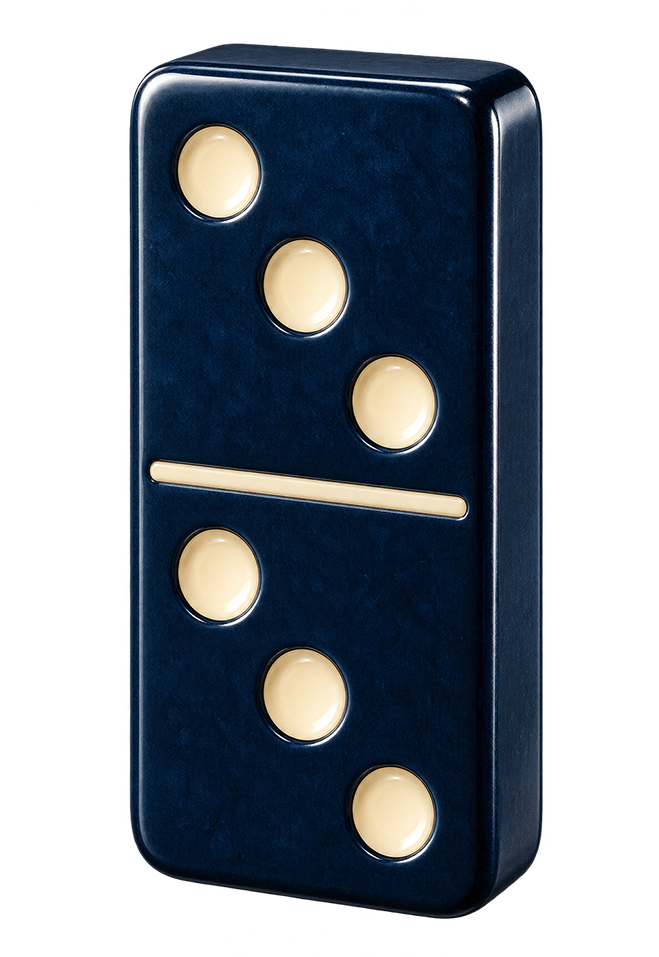
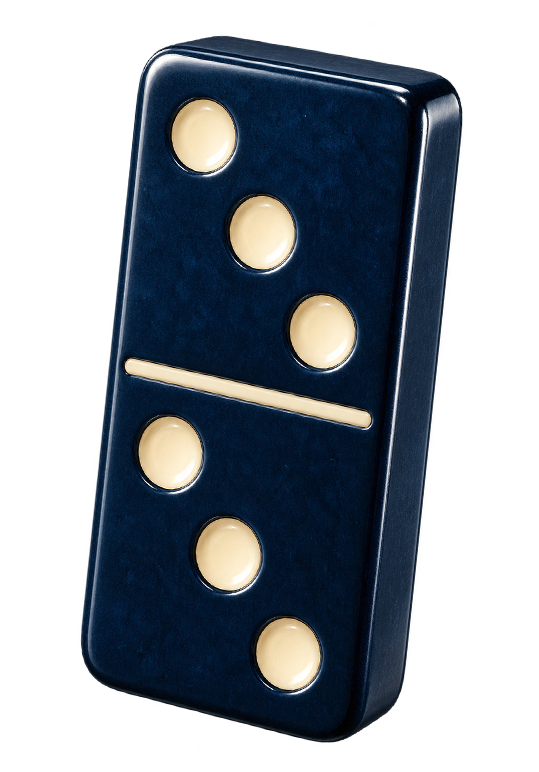
The domino image in this film is a metaphor for possibility. It is not a prediction that one change will automatically create a chain of business results. Improvement still takes observation, good execution, and a willingness to learn from what happens.
Quick answer: Name one obstacle in a sentence. Choose one change your team can maintain. Decide in advance how you will tell whether it helped. Then pick the next move from what you actually observe.
- Describe the moment, not a wish to “make the business better.”
- Test the path on a phone before you add more work.
- A prettier page does not prove that people understand it.
What's in this article?
Start with a moment, rather than a wish
“Make the business better” is a direction, but it is too broad to guide a useful first decision. Describe a particular moment instead.
A visitor reaches your service page and cannot tell what happens next. A customer tries to book and encounters a form that asks for information they do not have. A team member receives the same question repeatedly because the answer is difficult to find.
These are hypothetical examples, not InterGlobal client stories. Your own starting point should come from customer conversations, staff observations, or a task you can test yourself.
Write it as a sentence: “When someone tries to do this, this obstacle gets in the way.” That gives you something concrete to investigate.
One sentence is enough to start. If you cannot say what is getting in the way, a longer project will not make the choice clearer.
Choose a change with a clear purpose
List a few possible responses, then choose one you can assess. If the obstacle is unclear service information, begin with the explanation and next step. If a form is difficult to complete, inspect the questions and the experience before assuming you need a new platform.
Our recommended decision test is simple: does this change address the observed obstacle, can your team maintain it, and can you tell whether it helped? This is a practical way to prioritize a small project, not a universal formula for business success.
Give someone responsibility for completing the work. Write down the boundaries so a focused improvement does not quietly become five unrelated projects.
A long list
Several changes at once. When something improves, or does not, you cannot tell which decision did the work.
One smart move
One obstacle, one response your team can maintain, and one observation you chose before you started.
Make the next step easier to understand
Imagine a prospective customer who has never met your team. They need to understand what you do, whether it fits their situation, and how to continue.
Check the actual path on a phone. Read the page without relying on what you already know. Try the enquiry or booking process. Ask someone unfamiliar with the business to explain what they think the next step is.
Use what you observe to make the change specific. Clearer language, a better explanation, or a simpler next action can be a reasonable first project when those are the problems you actually find. Each still needs to be tested in your own context.
Measure the change without inventing a success story
Choose an observation before changing anything. Depending on the project, that could be whether a test participant completes the task, the number of repeated clarification questions, or the number of completed enquiries over a consistent period.
Keep the observation connected to the original problem. A prettier page does not prove that people understand it. More visits do not automatically mean more clients. If several things change at once, be careful about attributing the outcome to a single change.
Look for useful evidence, including problems that remain. If the change did not help, learn why before extending it. If it did, decide whether the next improvement should build on it or address a different obstacle.
The dominoes are a picture, not a forecast. One improvement does not guarantee a chain of results. Watch what actually changes, then choose the next move.
The poster, in motion
The square under the film is a separate composition, rebuilt from all 27 pieces. Each domino is its own photograph, and its shadow stays with it. Nothing in the picture topples in three dimensions, and the ladder is not a promise of growth. Replay runs the entrance once, then holds. If you prefer less motion, the finished poster appears at once. The button and the website stay real links either way.


























Turn the idea into a focused next move
You do not need to solve everything in the same week. You need a next move your business can understand: one obstacle, one practical response, and one way to assess the work.
Bring that problem to InterGlobal. We can discuss the digital experience and the next step worth exploring. The goal is a focused conversation about your business, rather than a promise of automatic growth. The address is www.intrglobal.com.
Plan your next smart move.
The button opens the booking section. The film itself is not a link. On TikTok, the suggested platform label is Learn more, and the destination is the same booking section.
Key takeaways
- Name one obstacle before you start a larger project.
- Choose a change your team can maintain, and decide how you will judge it.
- More visits are not the same thing as a clearer next step.
- Plan your next smart move opens the booking section. www.intrglobal.com is the address.
Questions before the call
Will one change automatically create more business?
No. The dominoes are a metaphor for possibility. A change still has to be carried out, observed, and judged on its own.
Where should we start?
Write the moment that is harder than it needs to be. Then pick one response that addresses that obstacle and that your team can maintain.
What should we measure?
Something tied to the original problem, chosen before the change. A completed task, fewer repeated questions, or enquiries over a consistent period. A prettier page is not proof that people understand it.
What does the button do?
Plan your next smart move opens the booking section at https://intrglobal.com/#book. www.intrglobal.com opens the studio site.
What if I prefer less motion?
The square poster appears complete, and both links still work. Replay stays available when motion is allowed.